Daily Habits I Watched For 70 Years
The everyday habits of my parents — now 95 and 93 — that quietly shaped a lifetime of healthy aging, and inspired this platform.
This page is a personal observation, not medical advice or a treatment plan. It is a record of habits practiced consistently over decades.
My parents never followed a diet plan.
They never counted calories.
They never tracked macros.
Yet they remained active, independent, engaged, and healthy well into their 90s.
These are some of the habits I watched for most of my life.
Whole foods, every day
My mother shopped for food the way her mother had — small amounts, often, almost always fresh. Nothing in our kitchen had a long list of ingredients on the back, because most of it had no back at all.
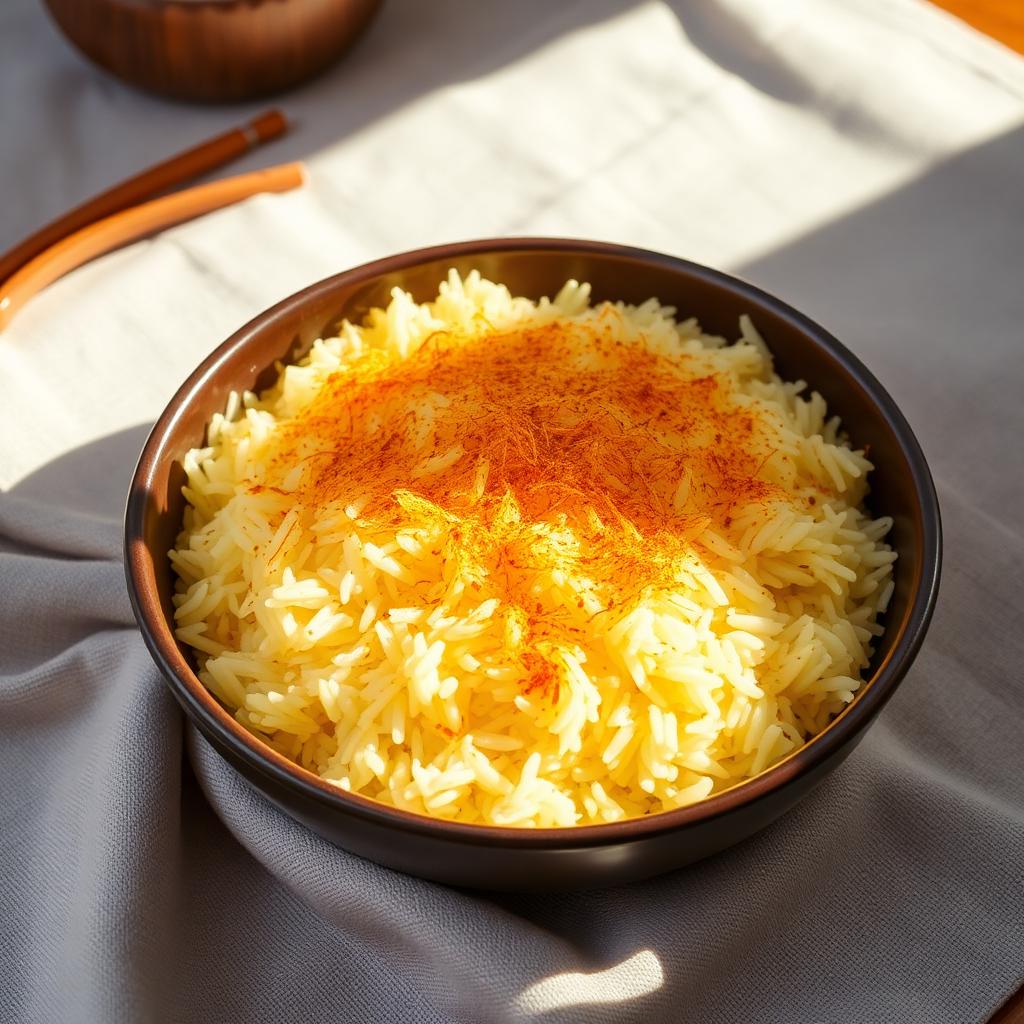
- Fresh produce from the local market, several times a week.
- Home-cooked meals — stews, rice, soups, vegetables — almost every day.
- Simple ingredients: olive oil, yogurt, lentils, beans, herbs, lemon, garlic.
- Minimal processed food. Packaged snacks were a rare exception, not a habit.
- Traditional Persian dishes built around vegetables, legumes, and small amounts of meat.
There was nothing fashionable about it. It was just how a Persian household had cooked for generations.
Walnuts and nuts — almost daily
There was always a bowl of walnuts somewhere — soaking overnight, sitting on the kitchen table, tucked into a drawer near my father's chair. Eating a small handful was as normal as drinking water.
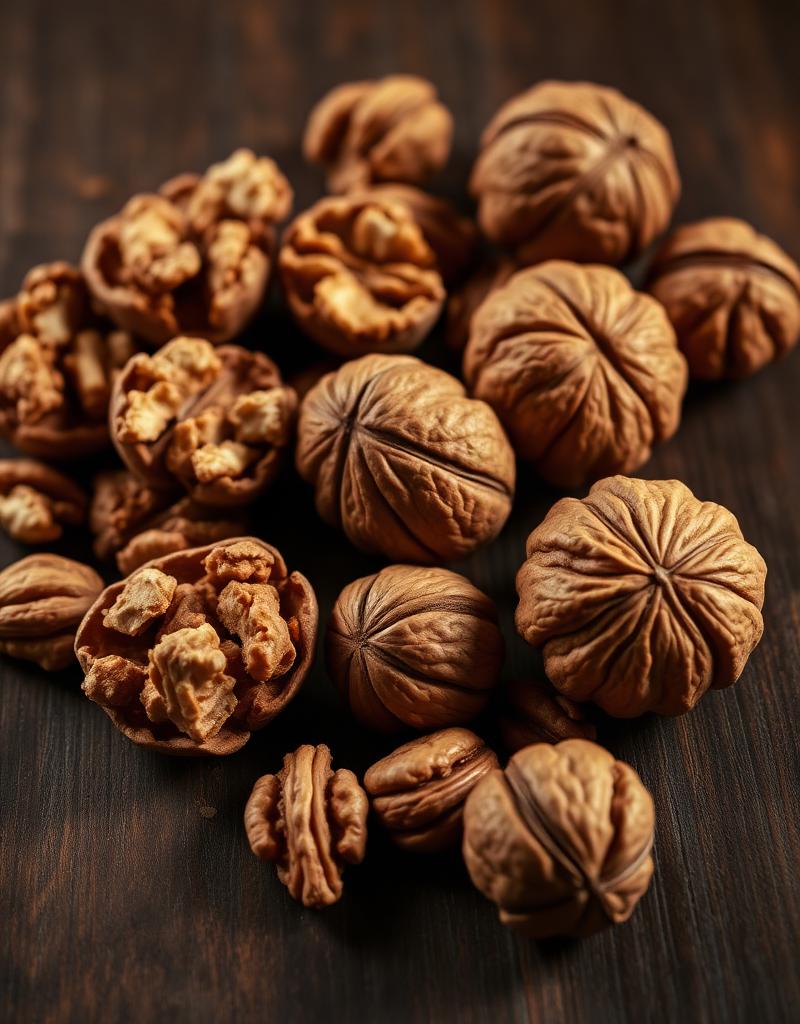
- Soaked walnuts in the morning, often with a few dates or a piece of bread and cheese.
- Almonds, pistachios, and hazelnuts as everyday snacks — never deep-fried or candied.
- Walnuts crushed into herb stews (fesenjān), salads, and rice dishes.
- Nuts treated as food, not as a 'superfood' — eaten quietly, every day, for decades.
Persian food culture has placed walnuts at the center of the table for centuries — and modern research on healthy aging keeps pointing back to them.
Herbs as daily food, not medicine
In our home, fresh herbs were not a garnish. They were a plate of their own — sabzi-khordan — and it sat in the middle of the table at lunch and at dinner, every single day.
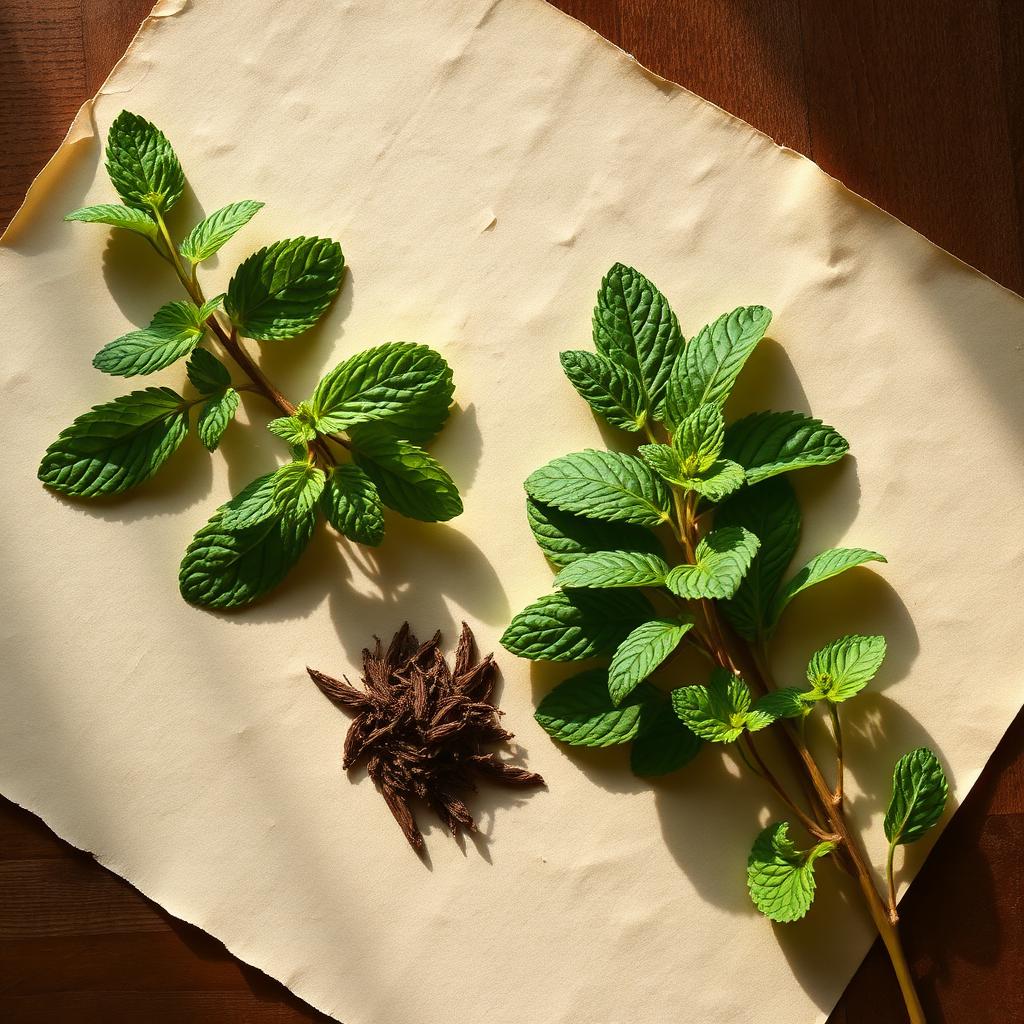
- Mint, basil, tarragon, parsley, and coriander eaten by the handful with meals.
- Rose petals and rosewater in tea, desserts, and even on warm rice.
- Herbs added to soups, omelets (kuku), and stews instead of heavy sauces.
- Dried mint sprinkled on yogurt, kashk, and lentil dishes.
We never called these herbs 'medicinal.' They were just food. The medicine was in the consistency — seventy years of small green leaves on a plate.
Movement woven into the day
My parents never went to a gym. They never owned exercise equipment. But they moved — gently, constantly — from morning prayer until evening tea.
- A walk after lunch and a walk after dinner, even if only five or ten minutes.
- Errands done on foot whenever possible — to the bakery, the market, a neighbor's home.
- Standing while cooking, bending to tend plants, climbing the stairs without complaint.
- Movement as ordinary life, not as a scheduled workout to be checked off.
There was no plan. There was just a refusal to sit still for too long.
Slow meals, shared at the table
Meals in our house were never rushed. The table was set, the food was placed in the middle, and we ate together — slowly, talking, refilling tea long after the plates were cleared.
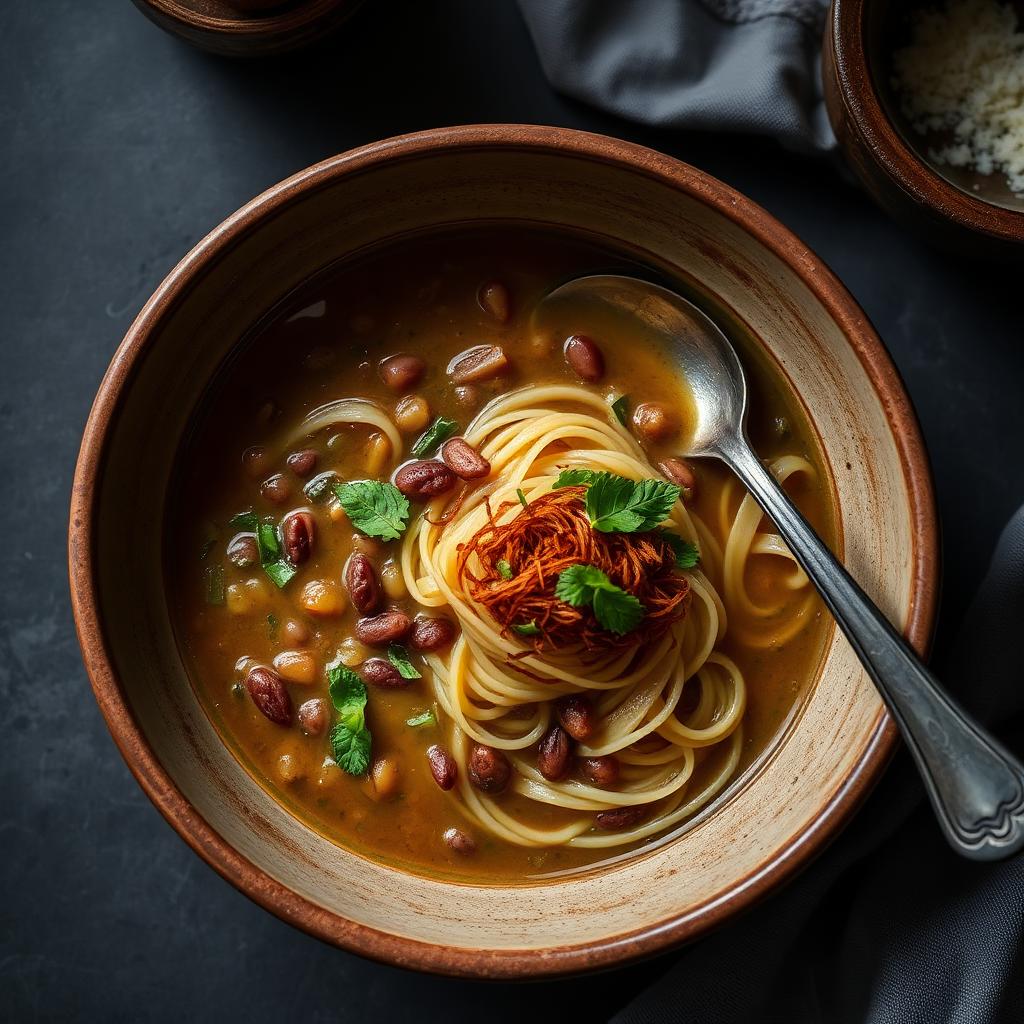
- Lunch and dinner eaten sitting down, at the same table, almost every day.
- Conversation that lasted longer than the meal itself.
- Small portions taken multiple times rather than one large plate.
- Tea afterward — a quiet ritual that marked the end of eating and the start of rest.
Eating slowly was not a discipline. It was simply what a family meal felt like when no one was in a hurry.
Social connection as a daily nutrient
There were always people in our home. Relatives stopping by, neighbors dropping off something they'd cooked, grandchildren passing through. Loneliness was almost impossible.
- Family visits as a normal part of every week, not a special occasion.
- Long phone calls with siblings and cousins, often over afternoon tea.
- Hospitality treated as a duty and a joy — there was always tea, fruit, and a chair for a guest.
- Friendships that lasted fifty, sixty, seventy years.
I now believe this was as important to their longevity as anything they ate.
Purpose — something to wake up for
My parents never retired in the modern sense. They simply kept being useful, in smaller and smaller ways, for longer and longer years.
- Daily responsibilities at home — cooking, mending, tending plants, caring for one another.
- Helping younger relatives, neighbors, and community members in quiet, ongoing ways.
- Reading, prayer, and lifelong curiosity about news, poetry, and family stories.
- A clear sense of being needed — and therefore, of being alive.
Purpose is not a luxury at the end of life. It may be one of its most important medicines.
Consistency over intensity
My parents never went on a diet. They never tried a cleanse. They never chased a miracle herb or a trending supplement.
- No extreme diets — just the same Persian foods, year after year, with the seasons.
- No miracle solutions — just walnuts, herbs, walking, family, and rest.
- Small habits, repeated thousands of times, across seven decades.
- Trust in tradition over trust in trends.
If there is a secret here, this is it: nothing dramatic, done every single day.
What surprised me

For years I assumed healthy aging was a matter of good genes or good luck. Watching my parents up close taught me something quieter — and far more useful.
What surprised me was how ordinary their habits were. There was no single food, no single herb, no single discipline that explained their long, vital lives. It was the combination — repeated faithfully, year after year, without drama.
I also noticed what was missing: there was no chronic hurry. No ultra-processed food. No social isolation. No sense of being useless. The absences mattered as much as the practices.
And I noticed something I did not expect: their habits were not individual choices so much as a shared culture. The herbs, the walking, the slow meals, the open door — these were held in place by family, neighbors, and centuries of Persian tradition.
Healthy aging, I learned, is not one miracle herb. It is a collection of simple habits, practiced consistently, inside a life that has people, purpose, and meaning in it.
How this shaped HolisticHealthAI.ai
Every section of this platform exists because of something I watched in my parents' home. The structure is not an idea I invented — it is a lifetime of observation, organized so others can use it.
- From the long viewHealthy Aging
The lifelong rhythms — movement, slow meals, purpose, rest — that quietly extend healthy years.
Explore - From the traditionHeritage Library
The Persian wellness knowledge — Avicenna, Rhazes, classical texts — that gave these habits their shape.
Explore - From the kitchenFoods
The everyday ingredients of a Persian table — walnuts, pomegranate, olive oil, yogurt, legumes, fresh herbs.
Explore - From the herb plateHerbs
Mint, basil, tarragon, rose, saffron — eaten daily, not as treatment, but as living tradition.
Explore - From temperamentMizāj
The Persian framework for understanding your own constitution — and choosing habits that fit it.
Explore - From the beginningFounder Story
Why I built this platform, and the family it is dedicated to.
Explore
"Healthy aging is not one miracle herb. It is a collection of simple habits, practiced consistently, over a lifetime."
Begin with one small habit
A handful of walnuts. A short walk. A plate of fresh herbs on the table tonight.