Overview
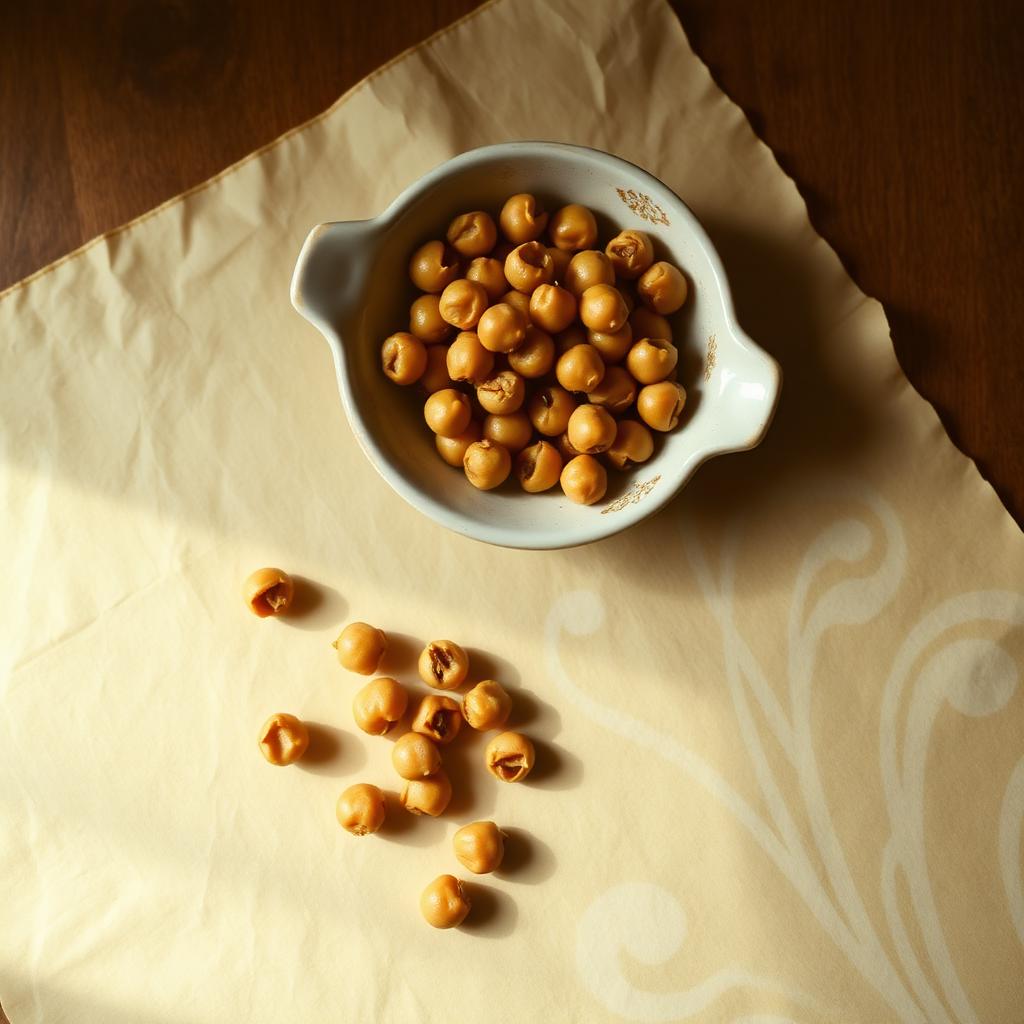
Roasted chickpeas — نخودچی in Persian — are a centuries-old Iranian street snack. Eaten with raisins (kishmish), they offer slow-burning energy from protein, fiber, and complex carbohydrates, making them a sustainable everyday handful.
Traditional perspective
Persian medicine treats roasted chickpeas as warm and dry — building strength, warming a cold mizāj, and steadying energy. Paired with sweet raisins they create a hot-and-cool balance.
Plant protein and fiber for steady energy · Folate supports red-blood-cell formation · Iron and magnesium contribute to vitality
Sold from copper trays across Iranian bazaars, نخودچی-کشمش is the classic 'pocket fuel' of students, travelers, and tea-drinkers across the country.
Modern scientific evidence
Benefits supported by contemporary research — informational only, not medical advice
- Plant protein and fiber for steady energy
- Folate supports red-blood-cell formation
- Iron and magnesium contribute to vitality
- Low glycemic load when eaten whole
- Naturally portable and shelf-stable
Nutritional profile
- Folate (B9)
- Vitamin B6
- Thiamin (B1)
- Iron
- Magnesium
- Phosphorus
- Manganese
- Polyphenols
- Saponins
- Small amounts of polyunsaturated fats
- Complex carbohydrates
- Resistant starch
How it's commonly used
- Eat with raisins (نخودچی کشمش) for the traditional duo
- Toss over salads or grain bowls for crunch
- Blend into chickpea flour for بسته بندی Persian sweets like قرابیه
- Snack with tea in the afternoon for slow energy
Cautions & considerations
- Legume allergies (uncommon)
- Salted varieties add sodium
Ask Holistic Health AI about Roasted Chickpea
Personalized, evidence-informed guidance from your AI Wellness Coach.
Related in the library
Related articles
Frequently asked questions
+Why pair chickpeas with raisins?
The pairing balances warming protein with cooling sweetness in Persian thinking, while modern nutrition sees it as a complete energy snack of fiber, sugars, and amino acids.
Sources & references
- Office of Dietary Supplements — Nuts & Seeds — US National Institutes of Health (NIH)
- FoodData Central — US Department of Agriculture