Overview
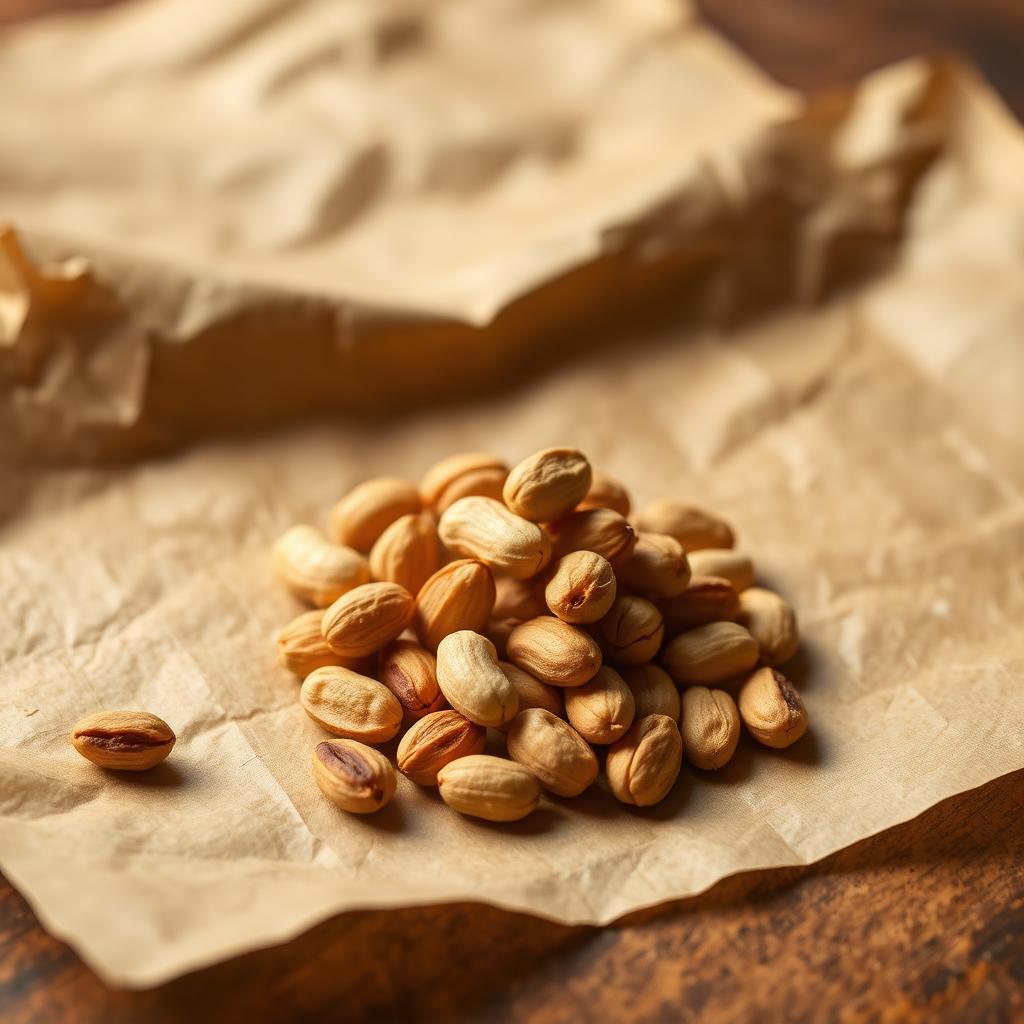
Botanically a legume, peanuts behave like nuts in the kitchen. They deliver plant protein, niacin, folate, and the antioxidant resveratrol at a fraction of the cost of tree nuts, making them one of the world's most accessible nutritious foods.
Traditional perspective
Persian street tradition treats peanuts as warming and energizing — a humble, satisfying fuel for workers, students, and travelers. Roasted with salt and shell, they have become a global comfort snack.
Plant protein and fiber for satiety and steady energy · Niacin supports skin and energy metabolism · Monounsaturated fats contribute to heart-friendly diets
From Tehran's bazaar carts to American baseball stadiums, roasted peanuts are a universal everyday food shared across cultures.
Modern scientific evidence
Benefits supported by contemporary research — informational only, not medical advice
- Plant protein and fiber for satiety and steady energy
- Niacin supports skin and energy metabolism
- Monounsaturated fats contribute to heart-friendly diets
- Resveratrol antioxidant similar to that found in red grapes
- Magnesium supports muscle and nervous-system function
Nutritional profile
- Niacin (B3)
- Folate
- Vitamin E
- Thiamin (B1)
- Magnesium
- Phosphorus
- Manganese
- Copper
- Resveratrol
- p-Coumaric acid
- Monounsaturated fats
- Linoleic acid
- Coenzyme Q10 (small amounts)
How it's commonly used
- Snack on a small handful (~28 nuts, 1 oz)
- Spread natural peanut butter on whole-grain toast with banana
- Add to stir-fries, satay sauces, and rice noodle bowls
- Stir into oatmeal or yogurt for protein boost
Cautions & considerations
- Peanut allergy is one of the most common — and serious — food allergies
- Choose mold-tested brands to minimize aflatoxin exposure
- Salted varieties add sodium
Ask Holistic Health AI about Peanut
Personalized, evidence-informed guidance from your AI Wellness Coach.
Related in the library
Related articles
Frequently asked questions
+Is peanut butter healthy?
Yes, when it is just peanuts (and maybe salt). Look for natural brands without added sugar or palm oil.
Sources & references
- Office of Dietary Supplements — Nuts & Seeds — US National Institutes of Health (NIH)
- FoodData Central — US Department of Agriculture