Overview
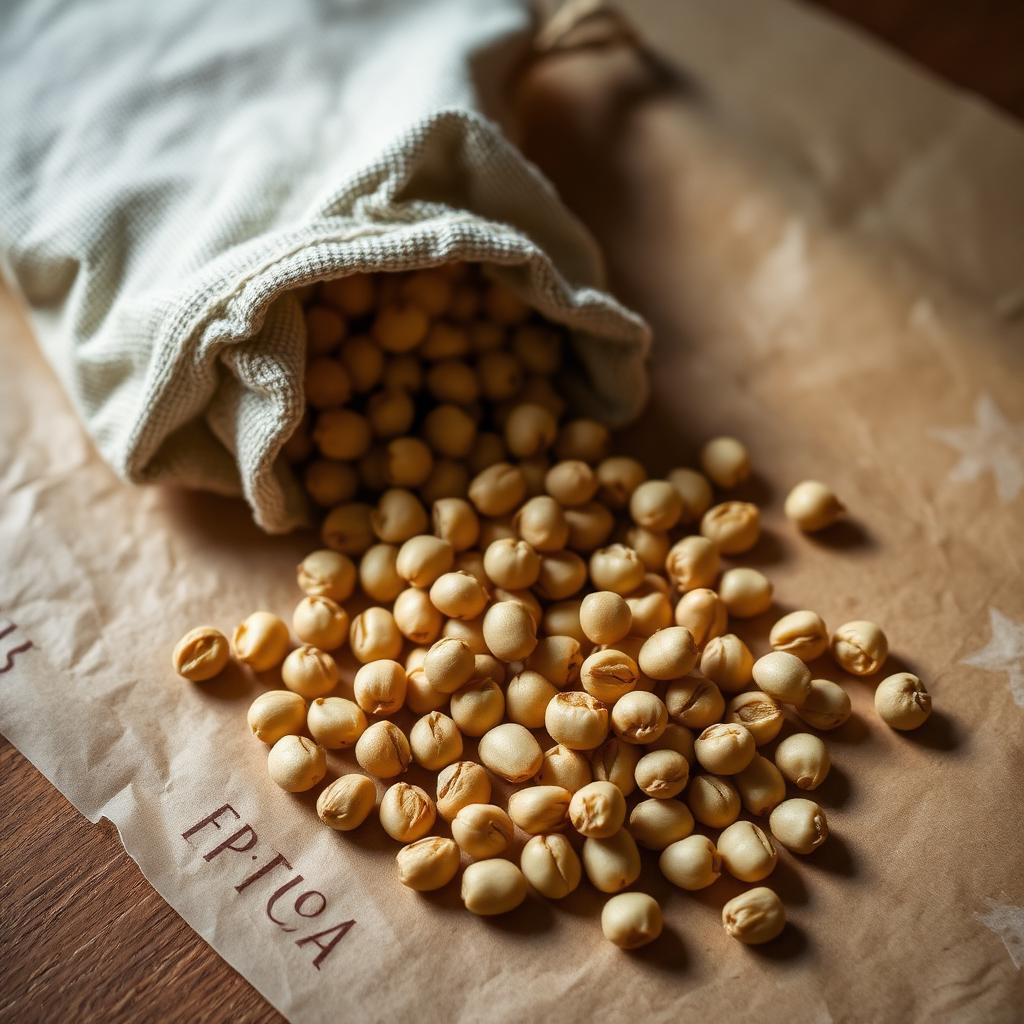
Fresh fava beans arrive each spring as one of the season's most awaited foods. They deliver plant protein, folate, and fiber, and form the heart of the beloved Persian rice dish باقلا پلو.
Traditional perspective
Persian medicine regards fava beans as cool and moist — nourishing for the body, refreshing in spring, and best balanced with warming herbs like dill, golpar, or saffron.
Plant protein supports muscle and satiety · Folate is essential for cell and red-blood-cell production · Fiber supports gut health and steady energy
Steamed favas with salt and golpar are a beloved street snack in Iran each spring, and fresh favas in dill rice (باقلا پلو) signal the arrival of Nowruz.
Modern scientific evidence
Benefits supported by contemporary research — informational only, not medical advice
- Plant protein supports muscle and satiety
- Folate is essential for cell and red-blood-cell production
- Fiber supports gut health and steady energy
- Iron and magnesium contribute to vitality
- L-dopa (in fresh favas) — a plant precursor sometimes studied for mood
Nutritional profile
- Folate (B9)
- Vitamin K
- Thiamin (B1)
- Iron
- Magnesium
- Potassium
- Copper
- Polyphenols
- Very low fat
- L-dopa (small amounts in fresh seeds)
How it's commonly used
- Steam with salt and sprinkle with golpar — the iconic street snack
- Cook into baghali polo with dill and saffron
- Add to spring soups and stews
- Purée with olive oil, garlic, and lemon as a fresh dip
Cautions & considerations
- Favism: people with G6PD deficiency must avoid fava beans entirely — they can trigger serious hemolytic anemia
- May interact with MAOI medications (L-dopa content)
- Always cook fully
Ask Holistic Health AI about Fava Bean
Personalized, evidence-informed guidance from your AI Wellness Coach.
Related in the library
Related articles
- NutritionGetting Enough Plant Protein: A Practical Guide
How to easily hit your daily protein from beans, lentils, nuts, seeds, and grains.
- TraditionPersian Medicine 101: The Wisdom Behind Mizaj
A short introduction to the four temperaments and how traditional Persian medicine still influences kitchens today.
Frequently asked questions
+Why are fava beans dangerous for some people?
People with the genetic G6PD enzyme deficiency can have a severe reaction (hemolytic anemia) — known as favism. Testing is widely available; when in doubt, ask a clinician.
Sources & references
- Office of Dietary Supplements — Nuts & Seeds — US National Institutes of Health (NIH)
- FoodData Central — US Department of Agriculture