Nuts & Seeds Library
Cashew
بادام هندی

Cashew

Anacardium occidentale
Warm · Moist

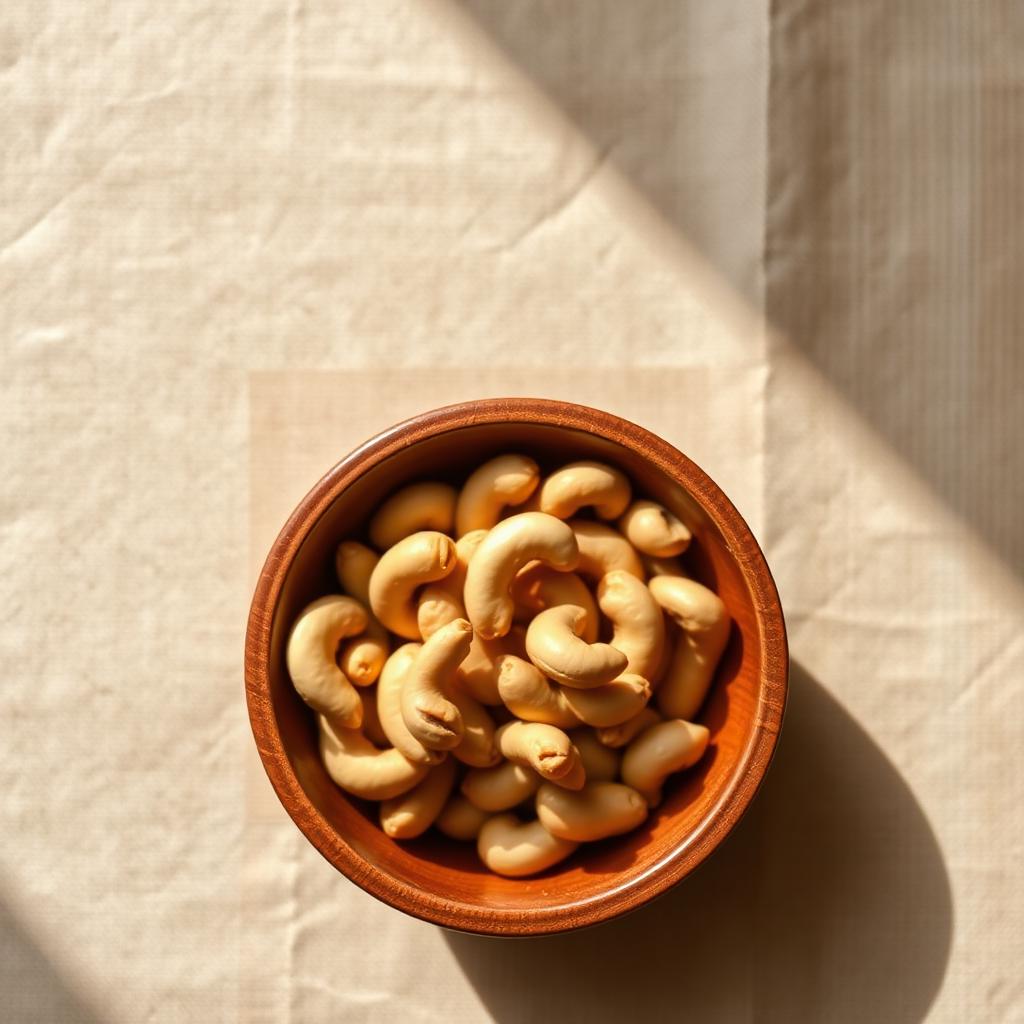
Cashew — creamy, kidney-shaped nut rich in magnesium, copper, and heart-healthy monounsaturated fats.

Overview

Cashews are the seed of the cashew apple, native to Brazil and now grown across India, Vietnam, and West Africa. Buttery and mildly sweet, they are unusually high in magnesium and copper and lower in fat than most tree nuts — a versatile base for plant-forward cooking, from cashew cream to curries.

Key Takeaways

What to know in 30 seconds

  • Magnesium supports nerves, sleep, and muscle relaxation
  • Copper is essential for connective tissue, iron metabolism, and antioxidant enzymes
  • Monounsaturated fats fit a heart-healthy pattern
  • Plant protein supports satiety and steady energy
Why It Matters

Why this matters for everyday wellness

Cashew earns a place in a healthy-aging routine because it combines magnesium supports nerves, sleep, and muscle relaxation with copper is essential for connective tissue, iron metabolism, and antioxidant enzymes — a rare combination that supports the cardiovascular, metabolic, and cellular systems that drive how we age.

Practical Everyday Uses

Practical everyday uses

  • Soak overnight and blend with water for dairy-free cashew cream
  • Toast lightly and add to stir-fries and curries
  • Snack on a small handful (~18 nuts, 1 oz)
  • Blend with lemon, garlic, and nutritional yeast for plant cheese sauces
Source: Traditional Persian Wisdom

Traditional Persian perspective

Historical & cultural knowledge passed down through generations — not a medical claim.

Historical use

Though not part of classical Persian medicine, traditional Ayurvedic use considers cashews warm and moist — nourishing for the nervous system, soothing for dryness, and supportive of strength and steady mood.

Traditional applications

Magnesium supports nerves, sleep, and muscle relaxation · Copper is essential for connective tissue, iron metabolism, and antioxidant enzymes · Monounsaturated fats fit a heart-healthy pattern

Cultural significance

Cashews thicken North Indian kormas and biryanis, blend into vegan cheeses across the modern plant-based pantry, and add richness to Middle Eastern rice pilafs.

Healthy Aging

Healthy aging relevance

Magnesium and copper, both abundant in cashews, are nutrients that often run low in older adults — affecting sleep, bone strength, and antioxidant defenses. A daily small handful is a simple way to support these foundations alongside a varied diet.

Source: Modern Scientific Research

Modern scientific evidence

Benefits supported by peer-reviewed studies & contemporary nutrition science — informational only, not medical advice.

  • Magnesium supports nerves, sleep, and muscle relaxation
  • Copper is essential for connective tissue, iron metabolism, and antioxidant enzymes
  • Monounsaturated fats fit a heart-healthy pattern
  • Plant protein supports satiety and steady energy
  • Lower in fat per ounce than most other tree nuts

Nutritional profile

Protein~5 g per 1 ozFiber~1 g per 1 oz
Vitamins
  • Vitamin K
  • Thiamin (B1)
  • Vitamin B6
  • Folate
Minerals
  • Magnesium
  • Copper
  • Zinc
  • Phosphorus
  • Iron
  • Manganese
Antioxidants
  • Polyphenols
  • Carotenoids
Healthy fats
  • Monounsaturated (oleic) fats
Other notable nutrients
  • Lower fat content than walnuts or pecans
Traditional Persian Medicine

Traditional Persian medicine uses

  • Ayurvedic tonic for the nervous system and skin
  • Soaked-cashew milk as a soothing dairy alternative
  • Ground into thickening pastes for celebration foods across South Asia
Everyday Use

How it's commonly used

  • Soak overnight and blend with water for dairy-free cashew cream
  • Toast lightly and add to stir-fries and curries
  • Snack on a small handful (~18 nuts, 1 oz)
  • Blend with lemon, garlic, and nutritional yeast for plant cheese sauces
Safety

Safety & cautions

  • Tree-nut or seed allergies are common — avoid if affected.
  • Never eat raw 'unprocessed' cashews — the shell contains urushiol (same irritant as poison ivy); commercial 'raw' cashews are always steamed
  • Calorie-dense — measure portions
Preparation

Traditional preparation methods

  • Soak 1–4 hours before blending for the smoothest cream
  • Dry-toast at 325°F for 8–10 minutes to deepen flavor
  • Store in the fridge or freezer — high oil content can turn rancid at room temp

Related conditions

Traditionally associated — not a treatment claim

Ask Holistic Health AI about Cashew

Personalized, evidence-informed guidance from your AI Wellness Coach.

Open AI Wellness Coach

Related Foods

Related Nuts & Seeds

Related articles

Frequently asked questions

+Are cashews really nuts?

Botanically they are seeds of the cashew apple, but for culinary and allergy purposes they are treated as tree nuts.

+Why are cashews never sold fully raw in shell?

The shell contains urushiol, a skin irritant. All cashews sold for eating — even 'raw' ones — are steamed to deactivate it.

References

Sources & references

Reviewed by Holistic Health AI Editorial Team Last updated Traditional wisdom + modern evidence Educational, not medical advice