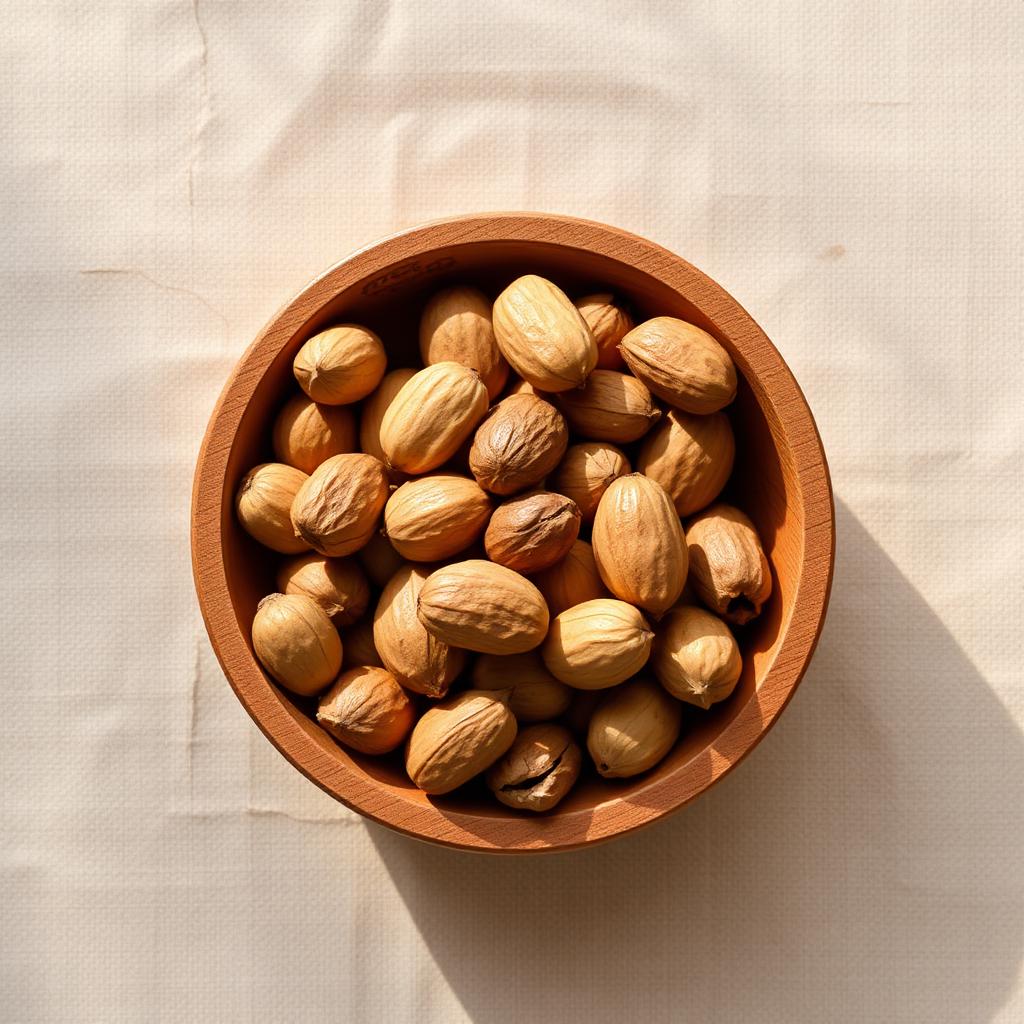
Overview
Brazil nuts grow inside large coconut-like pods on towering Amazon rainforest trees that cannot be cultivated on plantations — every Brazil nut on a store shelf is wild-harvested. Just one or two nuts daily can meet the entire adult selenium requirement, an essential mineral for the thyroid and antioxidant enzymes.
What to know in 30 seconds
- Exceptional selenium — supports thyroid hormone activation
- Selenium activates glutathione peroxidase, a key antioxidant enzyme
- Magnesium and zinc support nerves, sleep, and immunity
- Healthy fats and plant protein in a small portion
Why this matters for everyday wellness
Brazil Nut earns a place in a healthy-aging routine because it combines exceptional selenium — supports thyroid hormone activation with selenium activates glutathione peroxidase, a key antioxidant enzyme — a rare combination that supports the cardiovascular, metabolic, and cellular systems that drive how we age.
Practical everyday uses
- Eat just 1–2 nuts per day — more is not better with selenium
- Add to trail mixes (count carefully)
- Chop over yogurt with honey and dates
- Blend into homemade nut butter with cashews and a pinch of salt
Traditional Persian perspective
Historical & cultural knowledge passed down through generations — not a medical claim.
Brazil nuts are an Amazonian food rather than a Persian one, but holistic practitioners value them as a warming, deeply nourishing nut that supports vital energy and the body's antioxidant defenses.
Exceptional selenium — supports thyroid hormone activation · Selenium activates glutathione peroxidase, a key antioxidant enzyme · Magnesium and zinc support nerves, sleep, and immunity
Indigenous Amazonian communities have gathered Brazil nuts for centuries; their export sustains forest livelihoods that protect the standing rainforest.
Healthy aging relevance
Selenium status declines with age and is tied to thyroid function, immune resilience, and antioxidant capacity — three pillars of healthy aging. One Brazil nut a day is one of the simplest, most affordable interventions in nutrition science, with the strict caveat that more is not better.
Modern scientific evidence
Benefits supported by peer-reviewed studies & contemporary nutrition science — informational only, not medical advice.
- Exceptional selenium — supports thyroid hormone activation
- Selenium activates glutathione peroxidase, a key antioxidant enzyme
- Magnesium and zinc support nerves, sleep, and immunity
- Healthy fats and plant protein in a small portion
- Studied for cholesterol and inflammatory markers
Nutritional profile
- Vitamin E
- Thiamin (B1)
- Selenium (exceptional)
- Magnesium
- Phosphorus
- Copper
- Zinc
- Vitamin E tocopherols
- Phenolic compounds
- Monounsaturated fats
- Polyunsaturated fats
- One nut ≈ 70–90 mcg selenium (daily target for adults is 55 mcg)
Traditional Persian medicine uses
- Amazonian whole-food source of energy and vitality on long forest journeys
- Folk use of nut oil as a skin moisturizer
How it's commonly used
- Eat just 1–2 nuts per day — more is not better with selenium
- Add to trail mixes (count carefully)
- Chop over yogurt with honey and dates
- Blend into homemade nut butter with cashews and a pinch of salt
Safety & cautions
- Tree-nut or seed allergies are common — avoid if affected.
- Selenium toxicity (selenosis) — do not exceed 3–4 Brazil nuts per day on a regular basis
- Symptoms of excess selenium include garlic breath, brittle hair and nails, and digestive upset
- Store in a cool, dark place — high oil content turns rancid
Traditional preparation methods
- Eat raw or very lightly toasted to preserve selenium and healthy fats
- Refrigerate or freeze once shelled to extend freshness
- Pair with vitamin-E-rich foods (sunflower seeds, almonds) for combined antioxidant effect
Related conditions
Traditionally associated — not a treatment claim
Ask Holistic Health AI about Brazil Nut
Personalized, evidence-informed guidance from your AI Wellness Coach.
Related Nuts & Seeds
Related articles
- Healthy AgingHealthy Aging Starts in the Kitchen
Dietary patterns that quietly add years and quality of life — drawn from the world's longest-lived populations.
- ImmunityEveryday Habits That Genuinely Support Your Immune System
Beyond echinacea: sleep, diet, movement, and herbs that actually move the needle on immune function.
Frequently asked questions
+How many Brazil nuts should I eat per day?
One or two is plenty. A single nut typically supplies more than the full daily selenium requirement, and consistently eating more than 3–4 daily can cause selenium toxicity.
+Can Brazil nuts replace a thyroid medication?
No. They can support selenium status as one nutrient input, but they are not a substitute for prescribed thyroid treatment. Discuss with your clinician.
Sources & references
- Office of Dietary Supplements — Nuts & Seeds — US National Institutes of Health (NIH)
- FoodData Central — US Department of Agriculture
- Selenium — Fact Sheet for Health Professionals — NIH Office of Dietary Supplements
- Brazil nuts and selenium status — Clinical trial — British Journal of Nutrition (PubMed)