Food Library
Cauliflower
گل کلم

Cauliflower

Brassica oleracea var. botrytis
Cool · Dry

Cauliflower — Persian gol-e kalam (گل کلم). Cruciferous flower vegetable rich in sulforaphane and gentle on digestion.

Overview

Gol-e kalam — literally 'flower of the cabbage' — has been cultivated in Persia since at least the medieval period. It is a hallmark of cooler-season Persian and Mediterranean cooking, roasted with turmeric, pickled into torshi, or stewed with tomato and herbs. Its sulfur compounds (glucosinolates, sulforaphane) are among the most studied plant compounds for liver-detox support.

Scientific name
Brassica oleracea var. botrytis
Plant family
Brassicaceae (cabbage family)

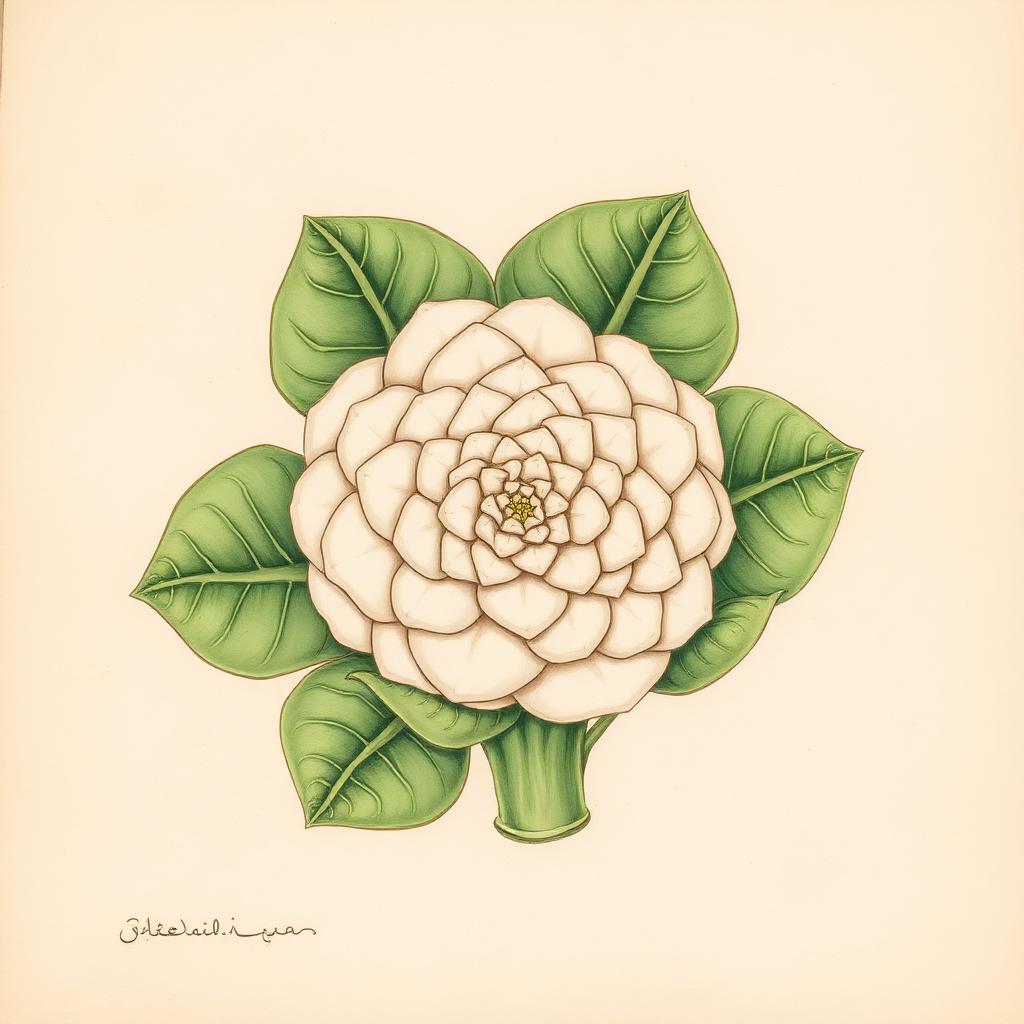
Botanical descriptionCool-season cruciferous vegetable forming a dense white head (curd) of undeveloped flower buds, surrounded by thick green leaves. The curd is the part eaten.

Key Takeaways

What to know in 30 seconds

  • Sulforaphane supports phase-2 liver detoxification pathways
  • Glucosinolates studied for cellular and anti-inflammatory health
  • High fiber for gut and cholesterol balance
  • Vitamin C and folate for immunity and blood
Why It Matters

Why this matters for everyday wellness

Cauliflower earns a place in a healthy-aging routine because it combines sulforaphane supports phase-2 liver detoxification pathways with glucosinolates studied for cellular and anti-inflammatory health — a rare combination that supports the cardiovascular, metabolic, and cellular systems that drive how we age.

Practical Everyday Uses

Practical everyday uses

  • Roast florets at 425°F with olive oil, turmeric, and cumin for 25 min
  • Cut and let rest 10 min before cooking to maximize sulforaphane formation
  • Steam lightly (5 min) to preserve glucosinolates
  • Pickle into Persian torshi with garlic and vinegar
Source: Traditional Persian Wisdom

Traditional Persian perspective

Historical & cultural knowledge passed down through generations — not a medical claim.

Historical use

Persian medicine considers cauliflower cool and dry — gently cleansing, supportive of the liver, and balancing for hot mizāj. Traditionally paired with warming spices (cumin, turmeric, golpar) to ease its windy nature.

Traditional applications

Sulforaphane supports phase-2 liver detoxification pathways · Glucosinolates studied for cellular and anti-inflammatory health · High fiber for gut and cholesterol balance

Cultural significance

Used across household wellness traditions as a culinary herb with daily-life relevance.

Healthy Aging

Healthy aging relevance

In a healthy-aging context, cauliflower bridges tradition and science: persian medicine considers cauliflower cool and dry — gently cleansing, supportive of the liver, and balancing for hot mizāj. Traditionally paired with warming spices (cumin, turmeric, golpar) to ease its windy nature, while modern research highlights its role in the same pathways — inflammation, vascular health, and cellular resilience — that compound over decades to shape how we feel in our 60s, 70s, and beyond.

Source: Modern Scientific Research

Modern scientific evidence

Benefits supported by peer-reviewed studies & contemporary nutrition science — informational only, not medical advice.

  • Sulforaphane supports phase-2 liver detoxification pathways
  • Glucosinolates studied for cellular and anti-inflammatory health
  • High fiber for gut and cholesterol balance
  • Vitamin C and folate for immunity and blood
  • Low glycemic and very low calorie — supports weight management

Nutritional profile

Fiber~3 g per cup
Vitamins
  • Vitamin C
  • Vitamin K
  • Folate
  • B6
Minerals
  • Potassium
  • Manganese
  • Magnesium
Antioxidants
  • Sulforaphane
  • Indole-3-carbinol
  • Kaempferol
Other notable nutrients
  • Glucosinolates (sulfur compounds)
Historical Uses

Historical uses across cultures

From classical Persian, Greek, and Islamic-Golden-Age sources.

  • Steamed or simmered as a gentle vegetable for convalescents
  • Pickled (torshi gol-e kalam) for winter digestion
  • Combined with warming spices for sluggish digestion
Internal Uses

Taken internally

  • Steamed florets as a daily vegetable
  • Roasted with olive oil, turmeric, and cumin
  • Mashed as a low-carb alternative to potato
Traditional Formulas

Named traditional formulas

  • Torshi Gol-e Kalamترشی گل کلم

    Cauliflower florets pickled in vinegar with garlic, golpar, and turmeric — a digestive accompaniment to rich winter meals.

Contraindications

Who should avoid this — and known interactions

  • Untreated hypothyroidism — limit large daily raw servings
  • Active inflammatory bowel flare — may worsen gas
Everyday Use

How it's commonly used

  • Roast florets at 425°F with olive oil, turmeric, and cumin for 25 min
  • Cut and let rest 10 min before cooking to maximize sulforaphane formation
  • Steam lightly (5 min) to preserve glucosinolates
  • Pickle into Persian torshi with garlic and vinegar
Safety

Safety & cautions

  • May increase gas — introduce gradually
  • Goitrogenic in very large raw quantities — cooking reduces this
  • Thyroid medication: separate from large servings

Ask Holistic Health AI about Cauliflower

Personalized, evidence-informed guidance from your AI Wellness Coach.

Open AI Wellness Coach

Related Herbs

Related Foods

Related articles

Frequently asked questions

+How is cauliflower traditionally used?

Persian medicine considers cauliflower cool and dry — gently cleansing, supportive of the liver, and balancing for hot mizāj. Traditionally paired with warming spices (cumin, turmeric, golpar) to ease its windy nature.

References

Sources & references

Reviewed by Holistic Health AI Editorial Team Last updated Traditional wisdom + modern evidence Educational, not medical advice