Khākshīr · خاکشیر
Persia's summer sherbet — cooling seeds soaked in water and rosewater.
Khākshīr is Persia's classic summer sherbet — tiny mucilaginous seeds soaked cold in water until they swell and thicken the drink, finished with rosewater and a touch of sweetener. It's reached for on the hottest days, and traditionally for gentle, everyday bowel regularity and easing back into eating after illness.
Key takeaways
- Always cold-soaked, never boiled — heat destroys the mucilage that does the work.
- A gentle, traditional approach to regularity and cooling down on hot days.
- Take at least two hours away from any oral medication — the mucilage can slow absorption.
- Modern trial evidence for this specific seed is thin; this entry leans on tradition rather than overclaiming.
Ingredients & preparation
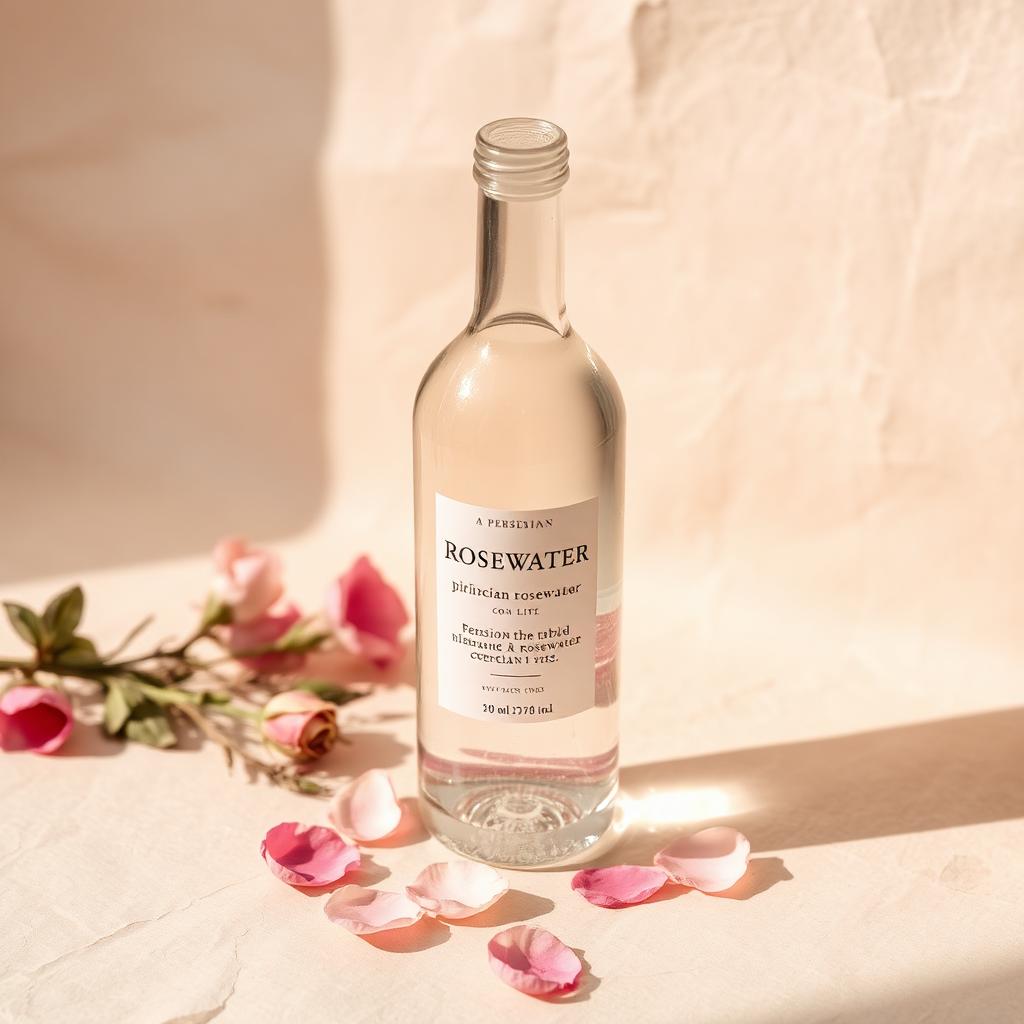 Rosewater
- ·1 tablespoon khākshīr seeds (Descurainia sophia)
- ·1 tablespoon sugar, honey, or grape molasses (optional)
- ·1 cup cold water
- ·ice
- 1.Rinse 1 tablespoon of khākshīr seeds twice in cool water.
- 2.Cover the seeds with a cup of cold water and let them sit 20–30 minutes — never boil, never use hot water; the mucilage that does the cooling work forms only in cold soak.
- 3.Stir in a tablespoon of rosewater and sweeten to taste with sugar, honey, or grape molasses.
- 4.Serve over ice on the hottest afternoons — the seeds float suspended in the drink; stir before each sip.
Midday in summer for cooling, gentle daily bowel regularity, and post-illness recovery. Take at least two hours away from any oral medication — the mucilage can slow absorption.
Traditional Persian perspective
Read as cool and moist, khākshīr is a classic cooling, soothing preparation for hot weather and a hot, irritated digestive system. The seeds are never boiled — only cold-soaked — because the cooling, mucilage-forming quality that does the work is understood to be lost with heat. It has long been given to those recovering from fever or illness as a gentle way to ease back into normal eating and elimination.
Modern scientific evidence
Khākshīr seeds (Descurainia sophia) are mucilaginous — when soaked in cold water they form a gel-like coating, similar in mechanism to better-studied mucilaginous seeds like psyllium or flaxseed, which have real trial evidence for easing constipation and moderating post-meal blood sugar and cholesterol. Descurainia sophia specifically has far less modern clinical trial data behind it than those more-studied seeds; most of what's known comes from traditional use and smaller, less rigorous studies, so this entry is intentionally more hedged than one for a well-trialled ingredient. The same mucilage that makes it soothing is also why it needs to be kept away from medications — a gel-forming fiber can slow or reduce how much of an oral medication gets absorbed if taken too close together.
Active compounds
- Mucilage (soluble fiber) — forms the gel that gives khākshīr its cooling, soothing texture and its gentle laxative effect
Benefits supported by evidence
- A traditional, gentle approach to everyday bowel regularity
- Cooling and soothing on hot days, and traditionally used to ease back into eating after illness or fever
- A caffeine-free, low-sugar-if-you-like alternative to a soda on a hot afternoon
Evidence strength
Khākshīr's cooling, mildly laxative reputation is well established in Persian tradition and is plausible given its mucilage content, which behaves similarly to better-studied fiber sources. But Descurainia sophia itself has far less rigorous modern clinical trial data than those better-known mucilaginous seeds, so this entry leans on the traditional-use tier rather than claiming trial-level confidence.
Safety by life stage
Pregnancy & breastfeeding
A cold-soaked cup of khākshīr in modest amounts is a traditional, food-level preparation with no specific pregnancy red flag beyond the general mucilage-and-medication spacing above. If you're on any regular medication during pregnancy, keep the two-hour spacing in mind.
Children
A smaller, well-diluted serving can be a gentle option for mild constipation or easing back into eating after a stomach bug. As with adults, keep it well away from the timing of any medication.
Elderly
A gentle, traditional option for regularity that's easier on the gut than harsher laxatives. The two-hour medication spacing matters more at this age, when more people are on regular daily prescriptions — build the habit of taking khākshīr between medication doses rather than alongside them.
Drug interactions
- Any oral medicationmoderate
The mucilage that makes khākshīr soothing can also slow or reduce how much of an oral medication your body absorbs if taken too close together. Take khākshīr at least two hours away from any medication, exactly as the traditional preparation already advises.
When to see a clinician
- Persistent constipation that doesn't improve with this or dietary fiber generally — needs a clinician's evaluation, not just a home remedy
- Difficulty swallowing or any concern about the seeds' texture in someone with swallowing difficulties
Hakim's perspective
I'll be honest about this one: khākshīr is one of the least-studied ingredients in this library by modern standards, even though it's one of the most familiar in Persian households. Trust the tradition for what it's good at — a cooling, gentle, everyday drink — and don't expect it to do more than that. And always give it its two hours away from any medication; that's not a minor footnote, it's the single most important thing to know about it.
Ask Hakim
Last updated 2026-09-23
Every reference page in the Living Library is written by our editorial team, cross-checked against classical Persian medical sources and peer-reviewed modern research, and reviewed on a rolling schedule. This is educational content — not a diagnosis or treatment plan. For symptoms that concern you, please consult a qualified clinician.