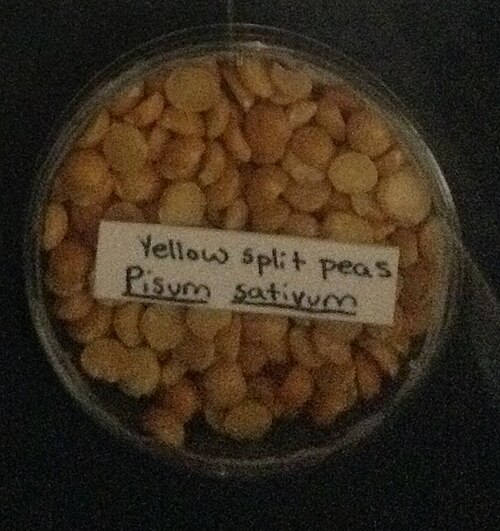
Split Peas
Lapeh — yellow split peas that thicken gheymeh and āsh; a plant protein and fiber staple of the Persian pantry.
Traditional wisdom and modern evidence—clearly explained.
- Evidence
- Traditional
“Before we go deeper into Split Peas, step through — even people who have known it all their lives rarely notice these small things.”
A curiosity cabinet. Open each drawer.
5 small things about Split Peas that quietly surprise most people.
Plant protein
High in soluble fibre, which supports steady digestion
Source of folate, iron and potassium
Without lapeh there is no gheymeh
“People have practiced this quietly for centuries — long before we had a science to explain why it worked.”
How Persian physicians understood split peas
Traditionally classified as warm and dry and considered heavy on the stomach, which is why Persian cooks pair lapeh with dried lime, turmeric and sour flavours. Traditional classification, not a modern claim.
Traditional Persian physicians developed these observations over centuries. The next section explores which of these ideas have been investigated by modern scientific research.
Lapeh is a field pea, dried, hulled and split so it cooks quickly and breaks down into the sauce. In gheymeh it is added late so the peas soften but keep their shape; cooked longer, it dissolves and thickens a soup on its own.
Short days, long teas. The kitchen becomes the whole house again.
“And in their own careful language, the modern laboratories have been quietly agreeing.”
What tradition and modern nutrition agree on.
A plain-English read of the research. Each line says what was studied and what was found — links go to the original source. The tag on the right notes how strong the evidence is today, and what still remains uncertain.
Plant protein — roughly 8 g per half cup cooked
Traditional and editorial synthesisHigh in soluble fibre, which supports steady digestion
CompositionTraditional and editorial synthesisSource of folate, iron and potassium
Traditional and editorial synthesis
The composition claims (plant protein, fibre, minerals) are well-established food-science facts; no clinical health-effect claim is made here.
“Knowing all this, one small question remains — are you preparing Split Peas the way it deserves? Most people are not.”
How to prepare split peas, step by step.
Most people prepare Split Peas incorrectly. Can you guess how?
- Rinse and soak for an hour if you have time, then add to gheymeh once the meat is tender
A traditional preparation of split peas.
- Simmer long and stir for a thick āsh or soup
A traditional preparation of split peas.
- Do not salt heavily at the start
peas soften more evenly in unsalted liquid
با یک گل بهار نمیشود.
One flower does not make a spring.
“This shifts the moment you bring Split Peas into your own kitchen. Here are two gentle ways to begin.”
A gentle word of care.
- Allergy risk
People with a diagnosed pea or legume allergy should avoid them A severe allergic reaction (anaphylaxis) is a medical emergency: use an adrenaline auto-injector if you have one and call emergency services immediately. Watch for cross-contact in shared kitchens and packaged foods.
“So — if you were to sit across from me and ask quietly what to do, this is what I would say.”
Dear friend,
Split peas are one of the cheapest sources of plant protein and fibre in the Persian pantry, and they are what makes a small amount of meat feed a table.
Warmly,
One more note —
In a healthy-aging context, split peas bridges tradition and science: traditionally classified as warm and dry and considered heavy on the stomach, which is why Persian cooks pair lapeh with dried lime, turmeric and sour flavours. Traditional classification, not a modern claim, while modern research highlights its role in the same pathways — inflammation, vascular health, and cellular resilience — that compound over decades to shape how we feel in our 60s, 70s, and beyond.
— With warmth, Hakim
Split Peas — before the words, before the science, simply this.
“Before you leave, one small thread to pull — Split Peas rarely travels alone.”